Learning from contradictions
- Deterrence: electoral competition controlled; by electoral competition
- Same teams, always on opposite sides
- The powerful choosing to be powerless
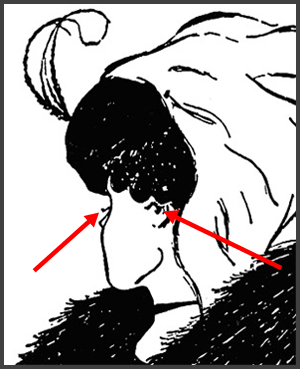
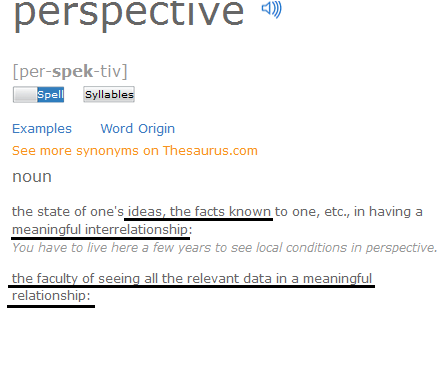
Perspective is important; it allows connections to be made. Without a frame of reference a dot will be a dot, but with perspective meaningful interrelationships come into focus and a more rich tapestry seen.
That is a process that can be assisted by exposing important contradictions and dismantling them in search of angles overlooked.
Already identified is the major contradiction of discrediting elections and advocating for their abandonment (and with it our entire democratic-republican structure) while no interest in a forensic investigation into this failure can be found; at least beyond the rather shallow, and by now shrill, blame on the power brokers and their political money.
While the discrediting voiced by one squad has gained currency, the endless search for reforms pursued by others continues. All the while the two inseparable - but unconnected - crews never bother to meet and compare notes.
Therefore it should be unsurprising that there is not even a thought - much less a proposal – to be found that would attempt to define what an election should actually be; and do. The interrelationship between contradiction and lack of perspective is also evident in something else never heard; not one red question as to the contribution such a lack of standards might make to the poor outcomes everyone is (supposedly) so upset about.
In theory elections must necessarily be of a competitive nature and, from that “rub”, differences would be marked, principles established, and preferences understood. Unfortunately, the state of our union is such that the best we can do with the concept is conjure archetypical images of mudslinging and triviality.
This takes us to another serious and harmful contradiction. In addition to the one federal and 50 state, there are some 88,000 local and county governments across the United States that seat over a half-million elected officials of so many varieties that there is no area of policy, law, or social outcome they cannot influence. Given their electoral authority, this means there is nothing beyond the influence of the electorate as well.
And that is unfettered authority; deriving from the fact these elected offices all are 100% subject to the people through the processes of open ballot access and nominating primary elections; not to mention the culminating properties and powers of the general election. Therefore, it should be indisputable that our country uniquely offers their citizens the richest, most democratic landscape ever conceived;
potentially.
However, with that potential unrealized, we experience the most undemocratic outcomes as genuine competition throughout our system has been vanquished.
Sort of.
The electoral system of the United States, while being uncompetitive in the extreme - and therefore unable to yield information, results, or control to its people -
is at the same time very much driven by competition.
Competition actually rules our uncompetitive system!
This can be understood simply by using the analogy of deterrence. We have always been told that a strong defense will deter enemies and therefore make war or attack less likely. Well, in the same way - given the absence of a strategic presence of the people – it’s a pretty simple matter for the complex to leverage a noncompetitive system into one where only the threat of competition –
on which they have a de facto monopoly can deter principled, organic competition; thereby maintaining the equilibrium they desire.
A career politician might never face a serious threat to his/her incumbency because they give the complex no reason to remove them
– or threaten removal – by the organizing (or potential organizing) of competition against them. This is well resourced and supported competition that would therefore present a clear danger to the incumbent.
This makes for a system devoid of credible, meaningful electoral competition
because of the threat of empty, unprincipled electoral competition; this is the paradox.
On the occasions it is deemed necessary to remove a troublesome official, the competition plotted is a surgical operation
that targets;https://www.workers.org/2006/us/mckinney-0824/
mud, frivolity,
busloads of raiders;
Party raiding
Excerpted from Wikipedia, the free encyclopedia
Party raiding describes a tactic in American politics where members of one party vote in another party's primary election in an effort to either nominate a weaker candidate or prolong divided support between two or more contenders for that party's nomination.
Party raiding can easily occur in jurisdictions which allow open primary voting.
any tactic deemed necessary can be called on and supported by every node of the network previously described.
This leaves the people with a completely noncompetitive, moribund system, while the power to organize any “necessary” competition - of the most negative nature – remains in the hands of the few;
executed below the radar of the many.
The same visible power as always does the enabling. The only difference being that this authority has and does belong to a disinterested and ill-informed public being misled by their “thought leaders” and so, hung with a rope of their own making.