

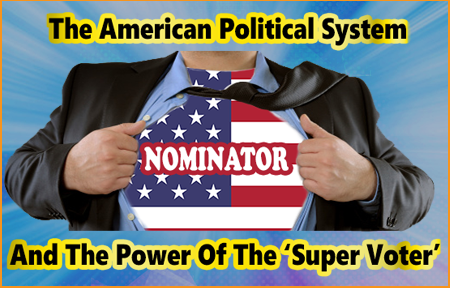

A famous quote attributed to Mark Twain declared that “if voting really mattered they wouldn’t let you do it”. As befits a Twainism, the statement was pithy, acerbic and unfortunately, true.
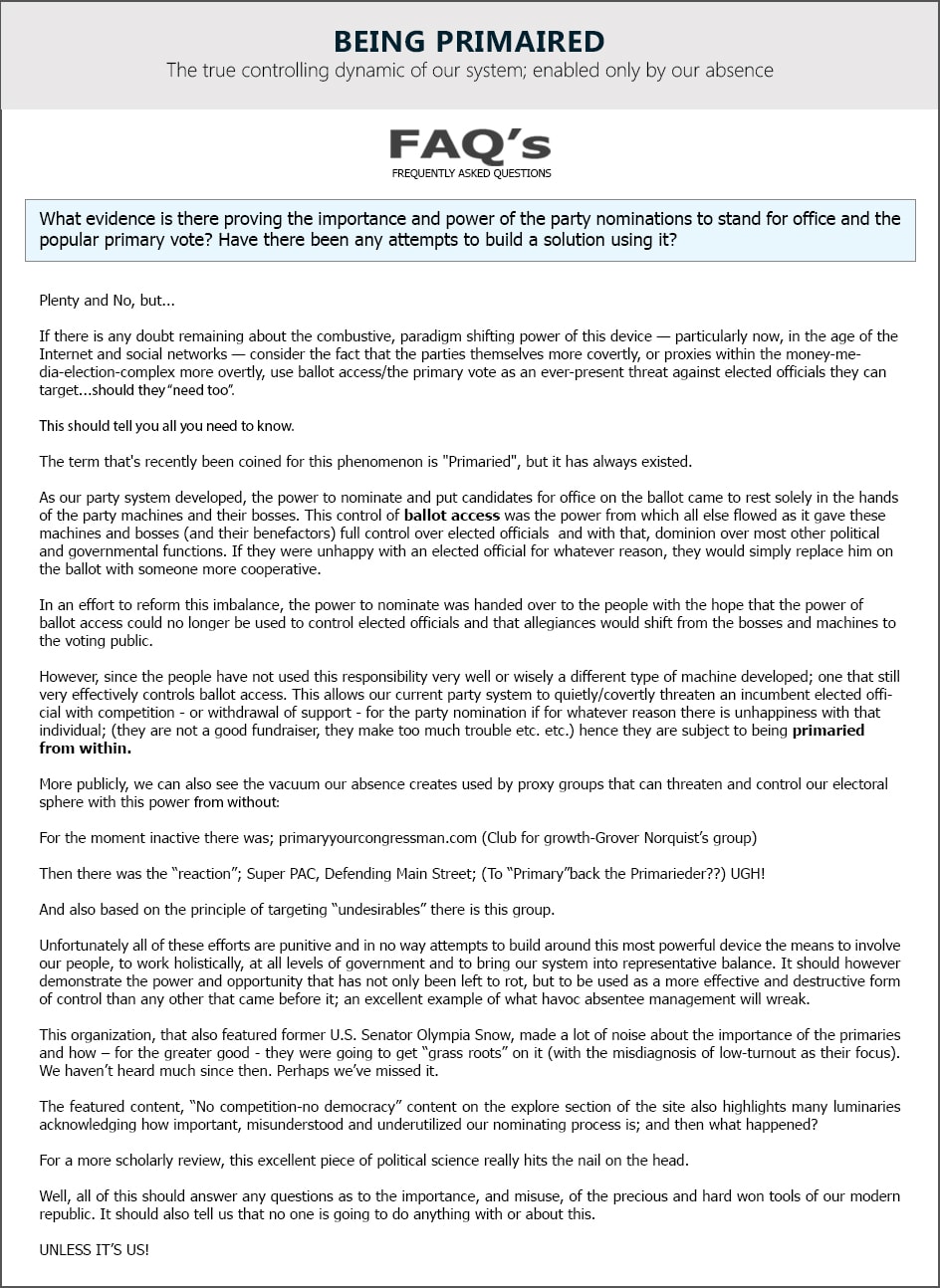
However, these comments were uttered in the days before the enormous power to nominate was fully handed over to the people of the United States through its popular primary voting and caucusing system; a method of republican-democracy that to this day uniquely confers very special status and extraordinary powers on them.
That shift in process was meant to create a shift in power; one that would penetrate the prevailing electoral-political alignments that made voting in Twain’s experience a relatively toothless affair.
As is evident from the preceding “Think Again” article, and argued and described throughout these pages, this was as big a change as could be imaged. Given their performance up to that time, a successful defanging of the political parties was completely necessary to any ideal of American self-government based on free elections.
However, a great deal of this message is also devoted to describing why this reform did not bring the change intended; and what very important change it did bring. To consider this, we focus on one pivotal dynamic of this big shift and new political alignment; based not on party, but on the people.
Tracing the history of our nomination process to political power in our system is essential.
We hear a lot about the need for truth but not much about what that really means; much less how to get it and then how to use it. A detailed review of this question filtered through our three core pillars helps us see the delusions and solutions i.e. a clearer truth.
That is the emergence of the super voter; a political/electoral reality which bears very directly on the citizenry’s ability to penetrate, affect and change their system.
The super voter is not in any way a construct born of this proposal. As we can see from the citations from two different political consultants (advising their office holding-seeking clients) below, the super voter (as they call it) is simply a certainty our current system creates.
This phenomenon could not have existed in the days of the machine system where the apparatus had total control over ballot access and nominations, nor is it a dynamic of parliamentary systems where it’s political parties that decide these matters.
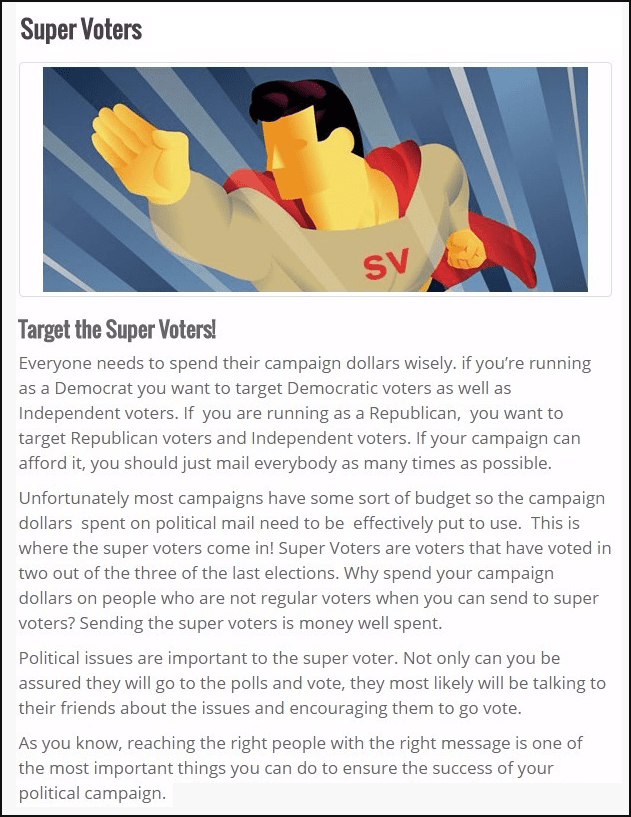
Database/list Management consultants; excerpted from on-line article on the key imperative of identifying “Super-Voters”.
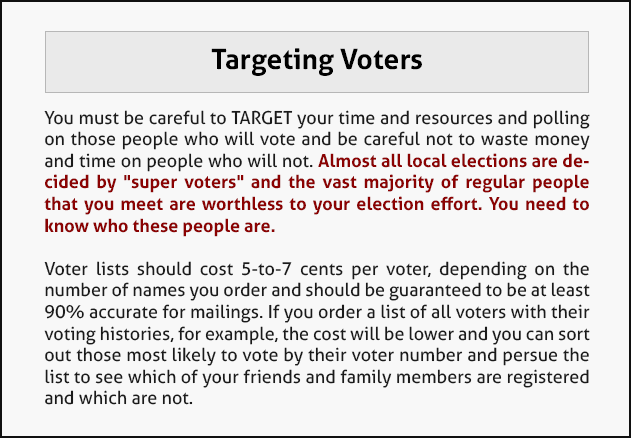
Pollsters/Political consultant; excerpted from essay for candidates seeking office on the electoral imperative to identify the “Super-Voter”.
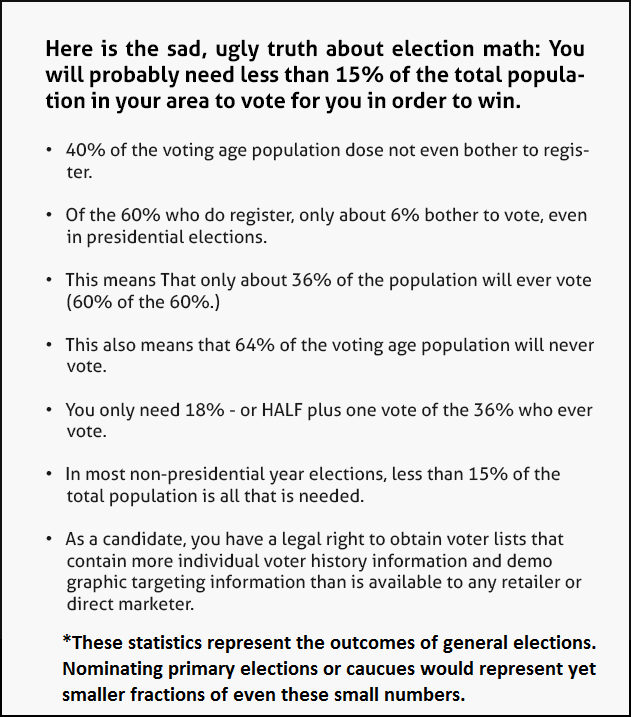
Pollsters/Political consultant; excerpted from essay for candidates seeking office on how few people really decide elections.
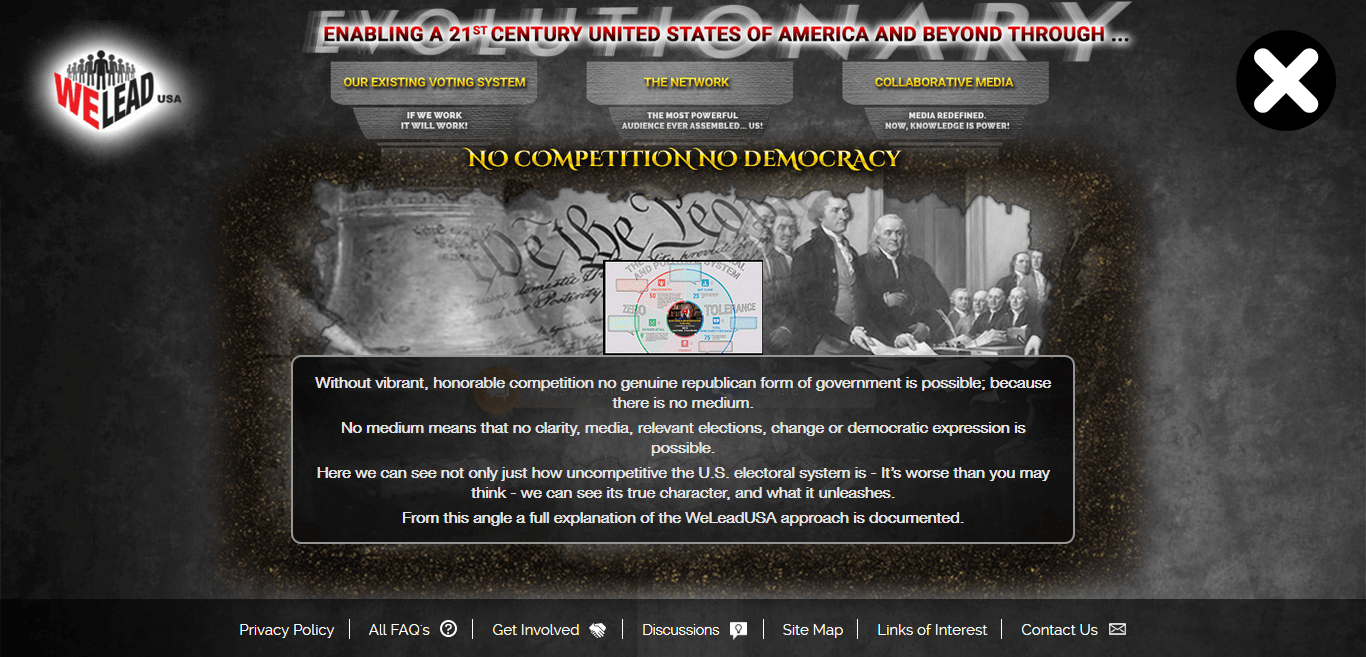
After 230 plus years of running a republic dependent on elections, can anyone even define what a competitive – i.e. meaningful – election would or should be?
Is anyone even trying?
Is anyone even asking?
As we have seen, the major political parties are not monolithic powers as they can decree no simple veto (legal) over any action citizens participating in the early ballot access and nominating processes might take. Simply as voters (and supporters) of candidates contesting in primaries and caucuses – the citizen holds the potential for decisive power; and therefore the potential for decisive influence.
We have also seen further evidence for that truth with the importance to political candidates of identifying the so called super voter; which is no fanciful notion, but a hard political/electoral certainty of a truly free democratic-republic. Political consultants and even the political party’s apparatus will play a role in assisting a preferred candidate’s efforts in this crucial regard.
This proves voting does indeed matter but raises pivotal questions as to the quality - and qualities - of our electoral system; and the engaged public. How do people understand this system? How can the myths and falsehoods that surround that understanding be clarified so the correct knowledge can be grasped; that being votes can do much more than simply select and elect individuals!
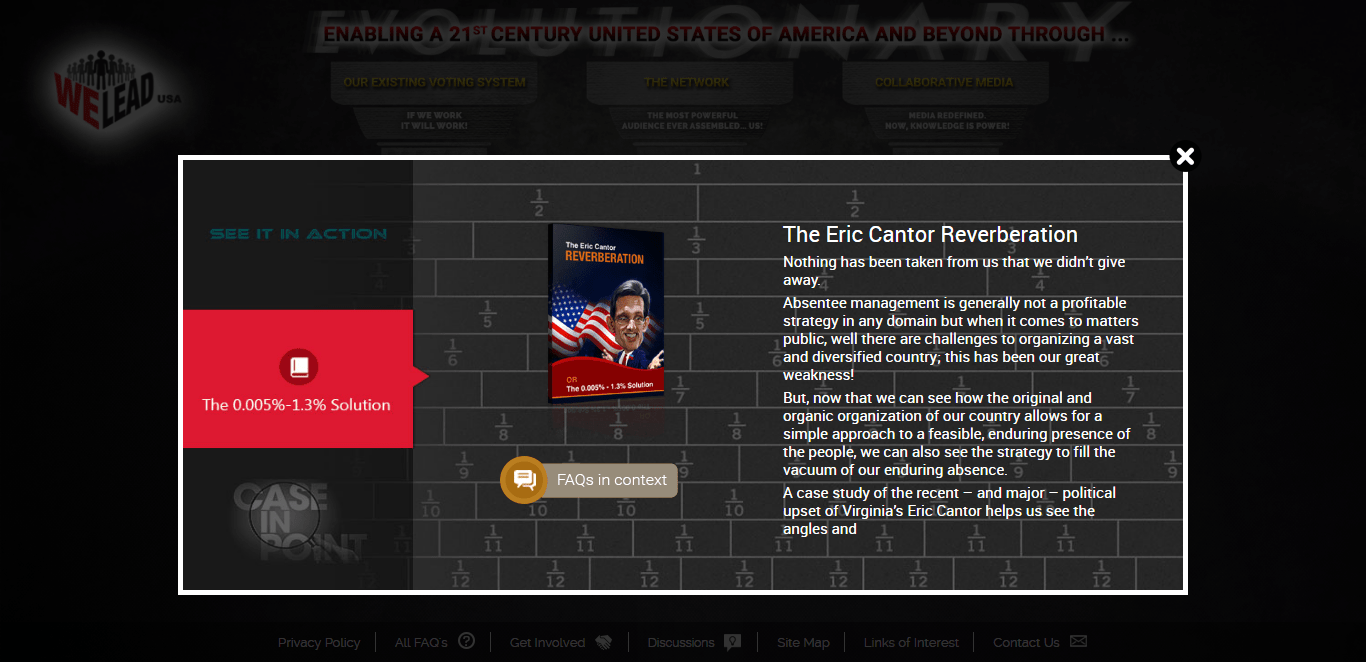
Brimming with important lessons this article also helps us see how so few can do so much for so many so quickly.

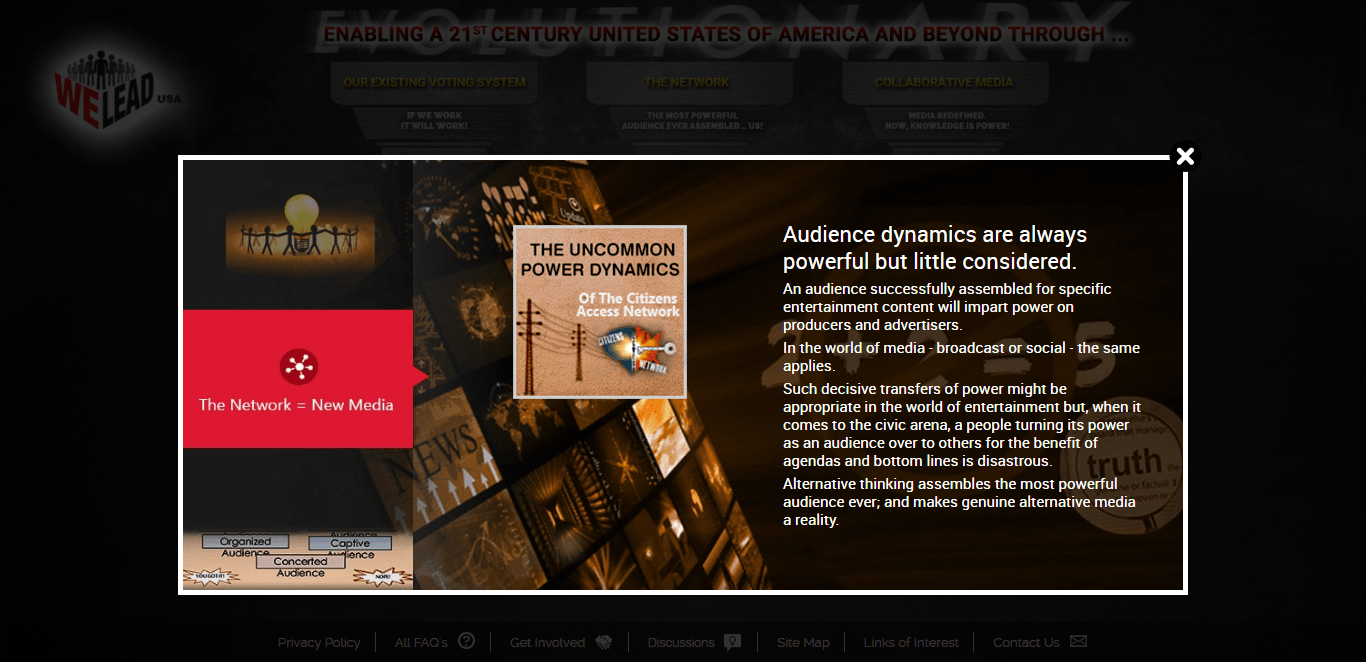
Registration into typical venues of digital media has no impact whatsoever on effective citizenship but the “Uncommon Power Dynamics” shows how the simple act of registration can help reverse age old power structures and create something totally new.
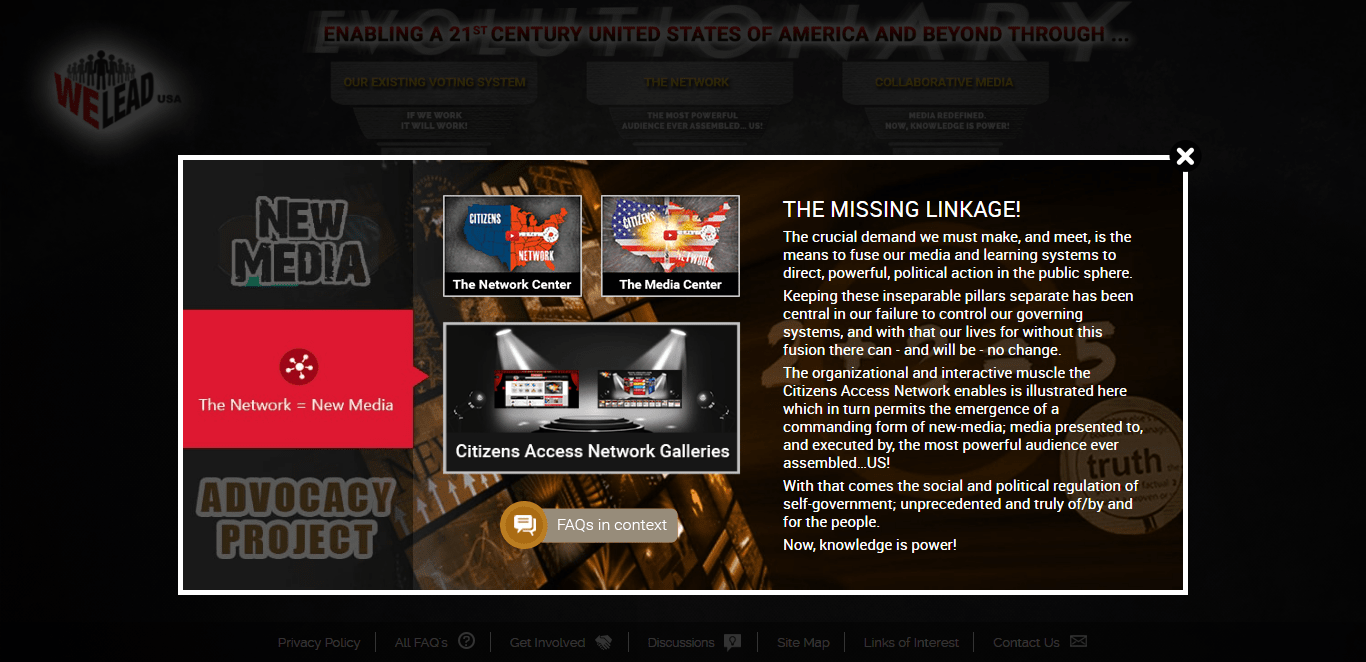
The end result…that will get results.
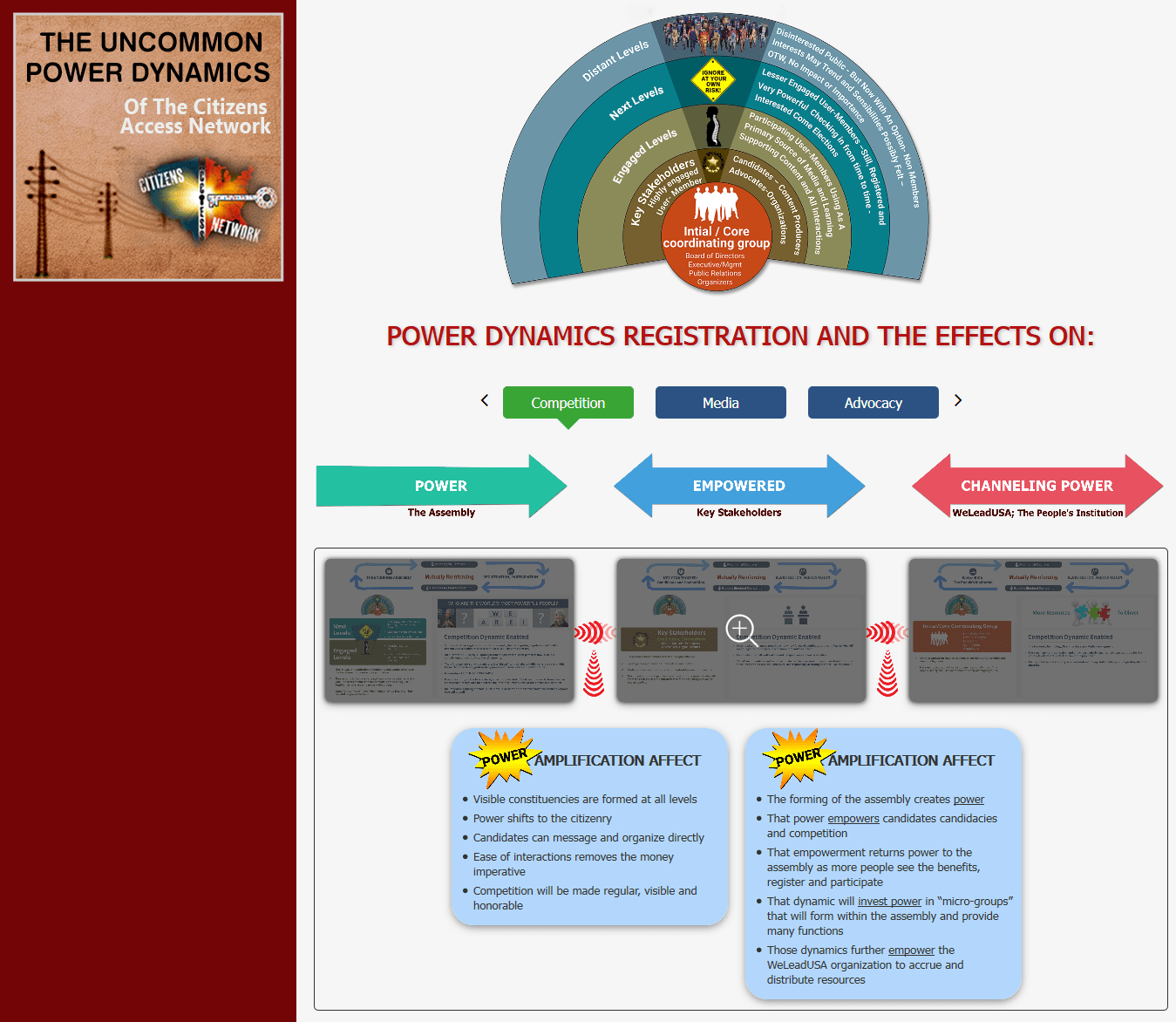
See how power can be created and shared and its direct impact on our most important civic activities.
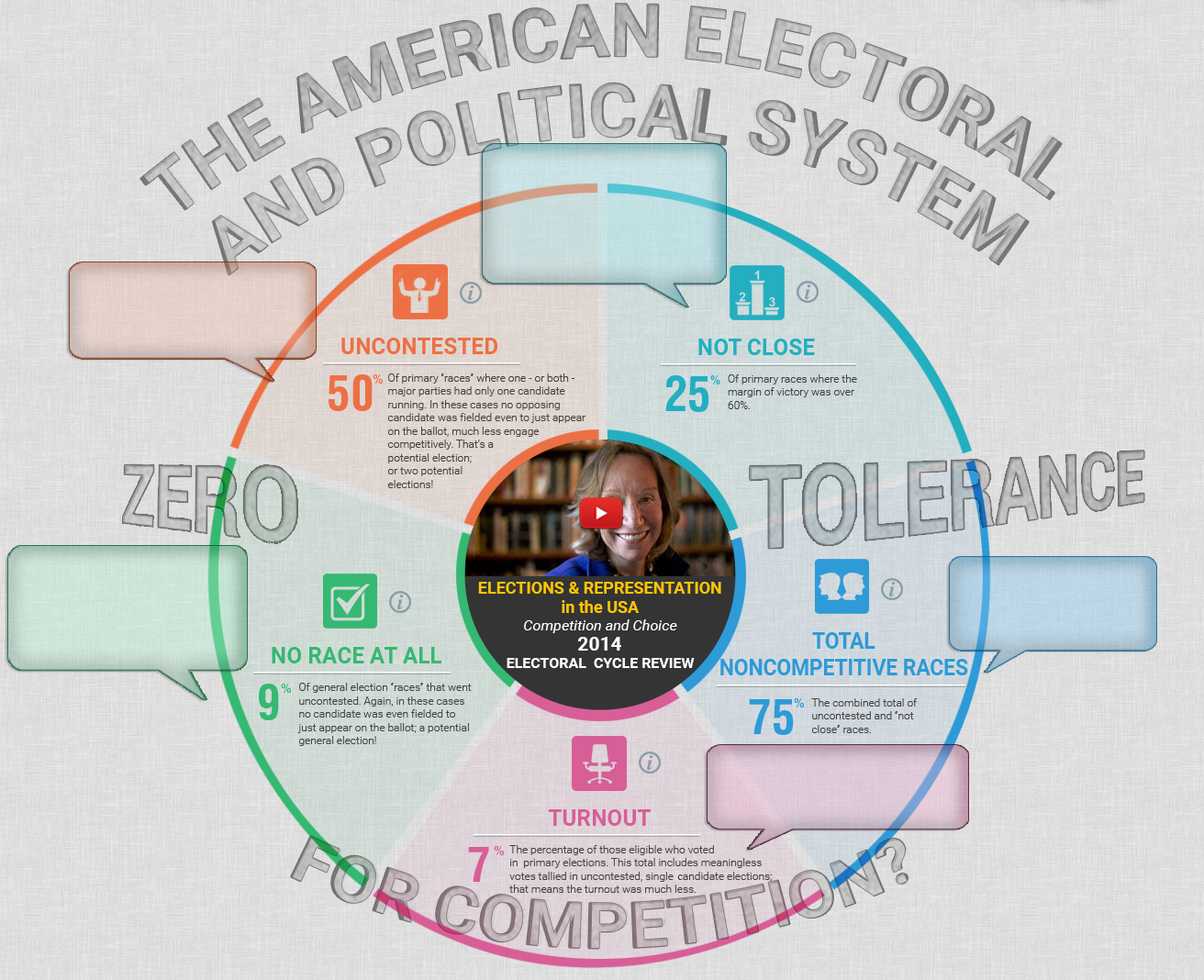
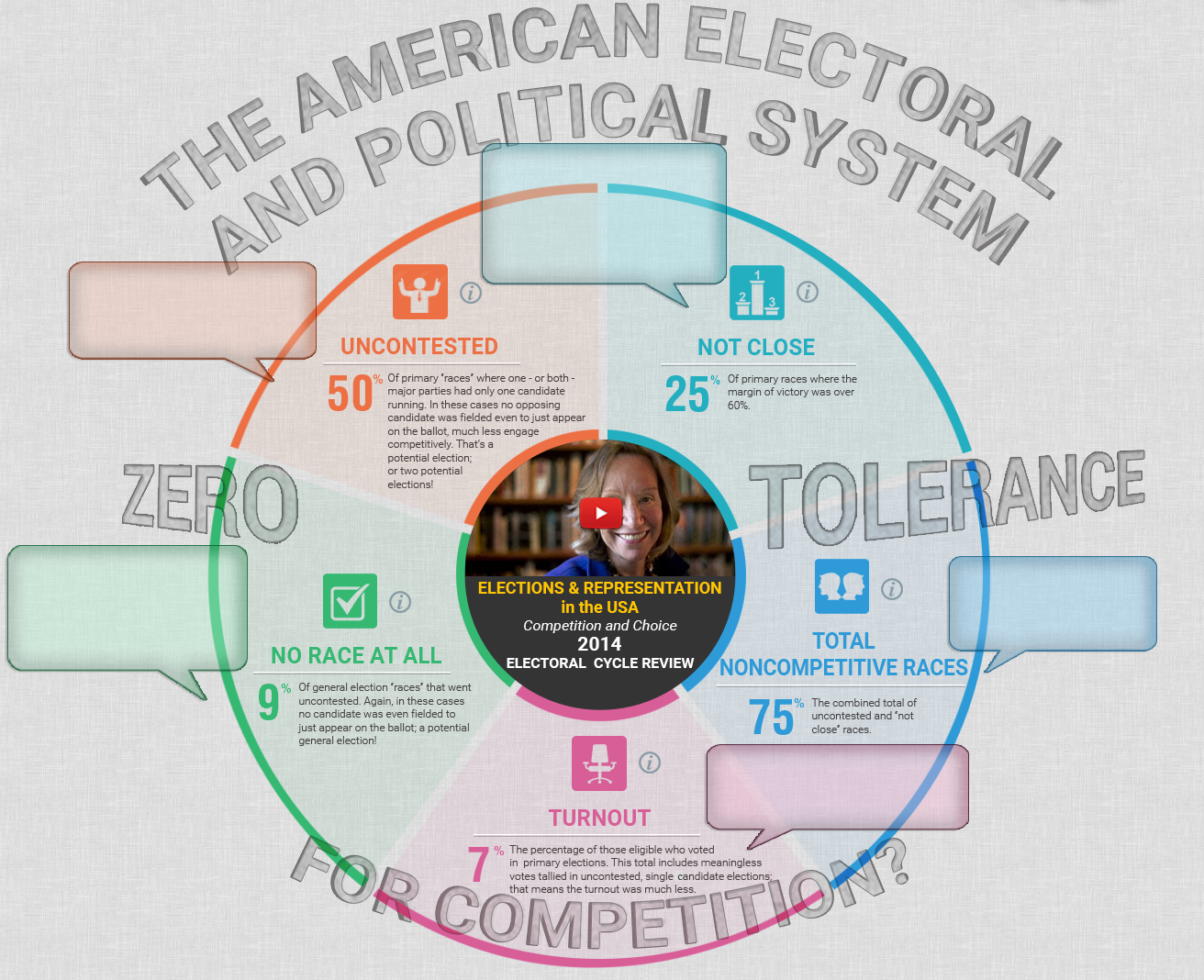
Our system is designed to create confusion from unnecessary complexities. They don’t know! We don’t know! Once we know this; we can change it.

The end result…that will get results.

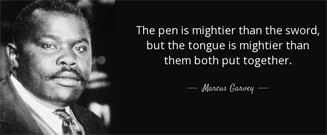
If the pen is, or is to be, mightier than the sword our pen can only find its power in our votes.
In turn, it is only a powerful vote that can infuse that pen with expression that must be taken seriously.
Serious words and ideas backed by no power are ultimately as useless as feckless votes backed by no serious words or ideas.
There is a lot more to see and learn!
Please view this content on devices with larger screen resolutions