Citizenship and discernment:
- Victim or accomplice?
- Powerful or powerless?
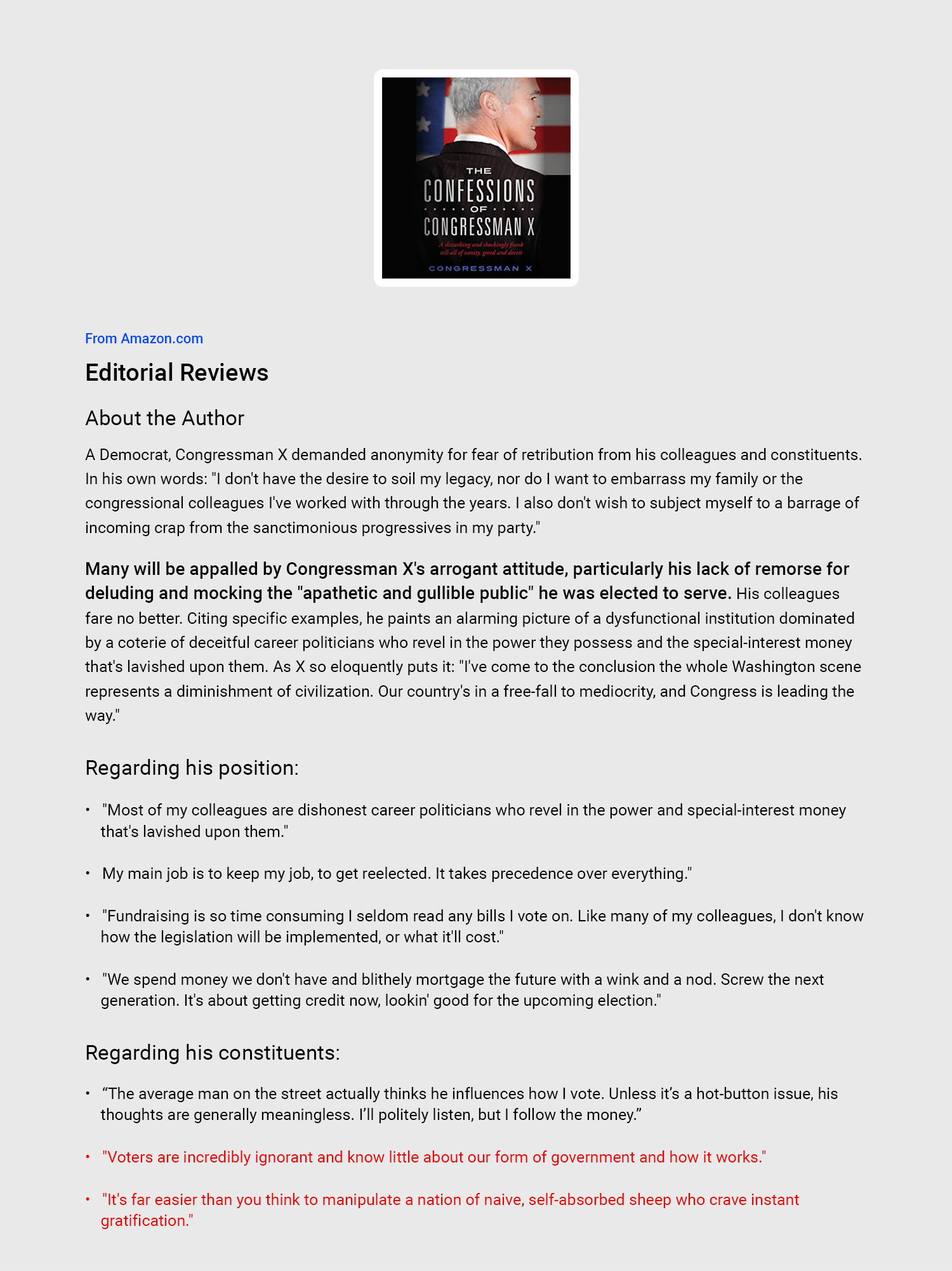
- Confessions of Congressman X. Beggars don’t get to choose; or get any respect.
There is clearly a strong consensus - if not universal agreement - that the democratic-republican system of the United States system is “broken” and with that, a prevailing attitude that the people have no recourse.
If true,
and therefore victimized by a broken system, a people are reduced to the status of a tragic bystander, unable to look away from the wreckage, but powerless to do anything about it.
These are potent images and consequential beliefs so, before allowing ourselves to be so reduced, we should ask;
is this actual truth or is it,
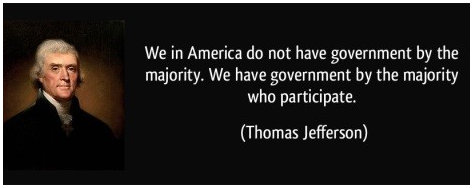
as Jefferson implied, the expected outcome of a well-functioning design. A system operating
as only it could -
representing those who participate; and do so wisely.
The conventional wisdom of the broken system claims are up offered up within sweeping generalities that point blame at the usual suspects of plutocratic elites, political money, self-interested politicians and parties and a media that is somewhere between ineffective and hopelessly corrupt.
This is a narrative of a few powerful bad guys, using their position to impose their will on the helpless many;
the logic being that any system permitting this must be broken. Despite the truth in all this, the conventional wisdom lacks substance as crucial questions are mostly left unexplored.
Exactly
how is the system broken? What are the pressure points
where advantage gets taken? What form does it take and
why is it effective?
No system can be considered such if it is not consistent and predictable, so understanding how these mechanics work to bring the participators the results they desire is very important.
Unfortunately, the
American people
Unless otherwise indicated, herein “the American people” are defined as those engaged by/in these matters; this in contrast to the disinterested most i.e. “the masses” who are not.
comprehend very little of this system beyond this conventional narrative. As we can see here, this does not earn us respect, much less influence and power.
While encountering a beggar one might feel empathy as opposed to contempt, but consider the beggar who not only felt entitled to your charity
but annoyingly demanded it of you. As Congressman X's commentary indicates, this is exactly how the people of the United States are perceived by those of the established order with a cynical bent;
a system that is not so broken from their point of view.
In order to gain respect, much less power over our destinies, we will have to do more than cry about a broken system.
First we should demand proof that this system is in fact broken -
and where - so focus can be placed on a
sound remedy that will work; with nothing wasted.
If unable to do that, (which we will be) we should then stop the crying and simply resolve to participate,
wisely.